



Environmental responsibility has changed significantly over the past few decades. What was once largely focused on managing environmental impacts and meeting regulatory requirements has developed into a broader approach centered on resource efficiency, risk prevention, and long-term value creation. Today, environmental considerations influence decision-making across operations, logistics, sourcing, and product development.
Businesses still share the same fundamental objective: operating safely while minimizing their environmental impact. What has changed is how companies work toward that goal. Rather than responding to environmental challenges after they occur, organizations increasingly focus on preventing them in the first place.
What Has Changed in Environmental Responsibility?
Historically, environmental efforts often focused on controlling emissions, handling waste safely, and ensuring compliance with environmental regulations. While these responsibilities remain important, many companies now recognize that environmental performance is closely linked to operational efficiency.
The focus has expanded from managing consequences to improving the use of resources throughout business operations. This may involve reducing water and energy consumption, optimizing transportation, improving process efficiency, or identifying ways to minimize waste before it is generated.
As knowledge, technology, and societal expectations have evolved, environmental responsibility has become less about isolated initiatives and more about integrating efficient practices into everyday business decisions.
Why Resource Efficiency Matters
Resource efficiency is the practice of using materials, energy, water, and other resources more effectively while reducing waste and unnecessary consumption.1
For businesses, resource efficiency can contribute to:
- Lower resource consumption
- Improved operational performance
- Better risk management
- Reduced waste generation
- More resilient supply chains
- Long-term business sustainability
Environmental and operational goals are increasingly connected. When resources are used efficiently, organizations often benefit from both environmental and economic improvements. This is one reason why resource efficiency has become a key focus area across industries.
Environmental Responsibility Is Now Part of the Entire Business
One of the biggest changes in recent decades is that environmental responsibility is no longer managed by a single department alone. Instead, it has become embedded throughout the organization.
Logistics and Transportation
Transportation planning plays an important role in environmental performance. Smarter logistics, better route planning, and coordinated deliveries can help reduce resource use while improving efficiency.
Operations and Production
Organizations continuously look for ways to optimize processes, reduce resource consumption, and improve overall efficiency. Investments in technology and process improvements often support these objectives simultaneously.
Procurement and Supply Chains
Environmental considerations increasingly influence supplier selection, sourcing decisions, and supply chain management. Businesses are expected to understand environmental risks and opportunities not only within their own operations but throughout their value chain.
Business Planning
Environmental responsibility is increasingly connected to long-term strategic planning. Decisions about investments, infrastructure, and operational development are often evaluated through both business and environmental perspectives.
From Reactive to Preventive Thinking
Perhaps the most significant shift is the move from reactive environmental management to preventive environmental management.
A reactive approach focuses on handling environmental impacts after they occur. A preventive approach seeks to identify risks, inefficiencies, and potential environmental challenges early, allowing organizations to address them before they create larger problems.
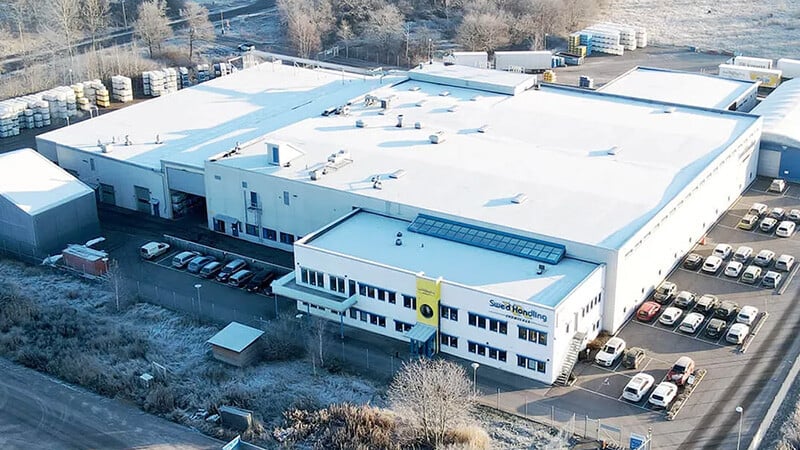
Swed Handling, part of the Telko Group, illustrates this shift over the long term. The company was the first chemical distributor in Sweden to environmentally certify its operations under ISO 14001, and 25 years of systematic environmental work since have traced the same path described above: from managing impact to using resources more efficiently and preventing environmental risks from the outset. Requirements have grown over that period but so have the opportunities to work smarter.
About the Authors
This article was written by Telko's Essential Solutions team, who work closely with industrial customers across Europe. Their expertise spans industrial chemicals, supply chain solutions, sustainability, and application support, giving them practical insight into how environmental responsibility, resource efficiency, and customer expectations continue to evolve.
References
- United Nations Environment Programme (UNEP), definition of resource efficiency, cited by the European Parliament's Resource Efficiency and Circular Economy fact sheet